THE RELEASE
Release into the wild is the culmination of many years of rehabilitation. Once the chimpanzees have acquired the skills needed to survive independently and the team considers them ready, they can return to their natural habitat within the Upper Niger National Park, now recognised as one of West Africa’s most important strongholds for chimpanzee conservation.
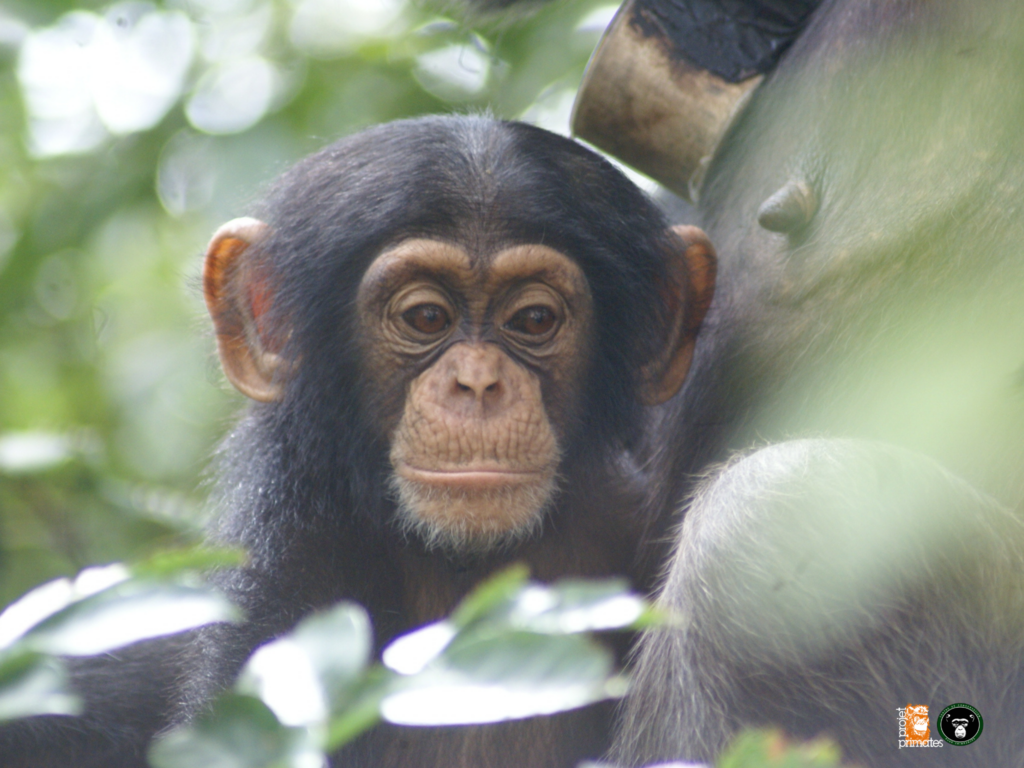
To date, around twenty chimpanzees have been successfully released. Some females have integrated into wild chimpanzee communities, while several births have been recorded in the wild. Nine infants born entirely in their natural habitat are now living within a group that continues to be monitored by the CCC team. These births mark a major milestone, demonstrating that rehabilitated chimpanzees are able to survive, reproduce, and successfully raise their offspring in the wild.
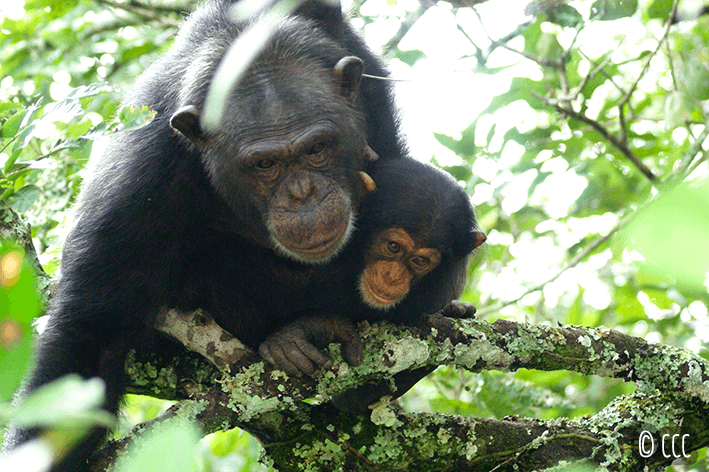

Long-term monitoring
Release does not mark the end of the team’s work. The chimpanzees continue to be monitored remotely through telemetry, allowing the team to observe their adaptation, movements, interactions with wild chimpanzees, and the evolution of the groups over time.
These observations provide valuable information about the success of the rehabilitation process and help improve future release programmes.
An Impact Beyond Chimpanzeess
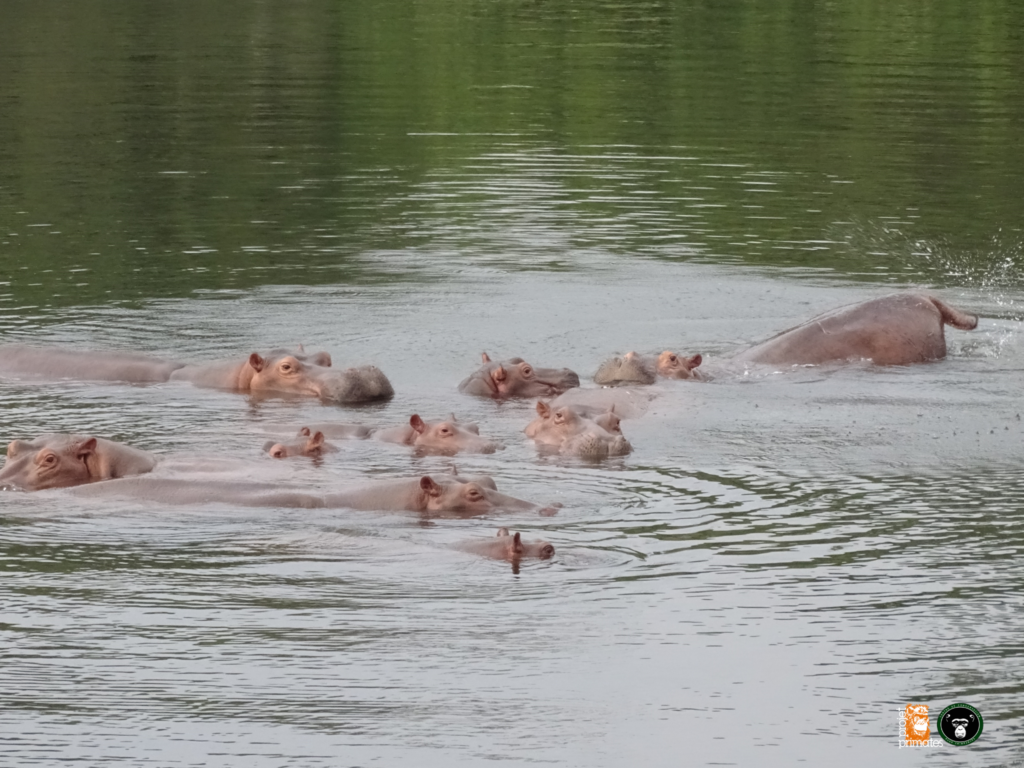
The presence of released chimpanzees also contributes to the protection of their entire ecosystem. As an umbrella species, conserving chimpanzees benefits all the wildlife and habitats that share their range. Protecting chimpanzees therefore also means safeguarding forests, birds, reptiles, mammals, and countless other species living within the same ecosystem.
A Long-Term Conservation Commitment
Releasing chimpanzees into the wild is a long, complex, and demanding process. It requires years of rehabilitation, the identification of suitable release sites, careful preparation, and rigorous scientific monitoring.
Today, the Chimpanzee Conservation Center is the first sanctuary in West Africa to have successfully carried out a chimpanzee release programme, making it a regional leader in great ape conservation.